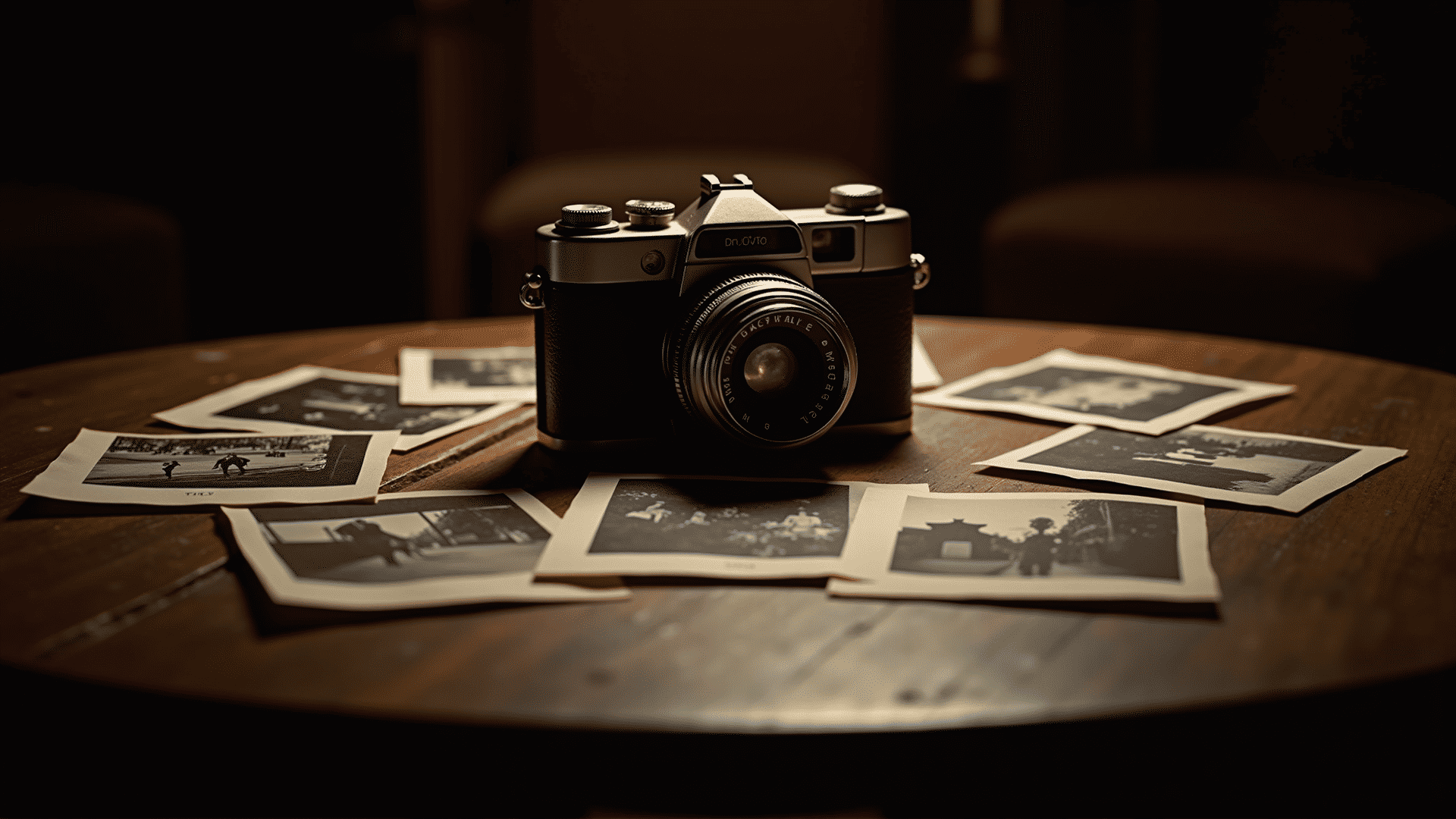
The inception of photography marks a significant milestone in human history, bridging the gap between imagery and technology. This journey, from its origin to the present day, is a compelling narrative of innovation, artistry, and transformation.
Photography began in the early 19th century with the pioneering work of Nicéphore Niépce, who created the first permanent photograph in 1826. This early image, captured on a pewter plate coated with bitumen, was a rudimentary but groundbreaking achievement. Soon after, Louis Daguerre improved upon Niépce's techniques, developing the daguerreotype process in 1839, which allowed clearer and more detailed images. This new method quickly gained popularity, making portraiture more accessible to the general public.
As the century progressed, advancements in photographic technology accelerated. The invention of the wet plate collodion process by Frederick Scott Archer in 1851 enabled photographers to produce negatives that could be used to make multiple prints. Coupled with the introduction of albumen paper, these innovations made photography more versatile and practical for everyday use.
The late 19th and early 20th centuries witnessed a shift towards capturing motion, as exemplified by Eadweard Muybridge's studies of motion in the 1870s and 1880s. These explorations laid the groundwork for the development of motion pictures and expanded the possibilities of visual storytelling.
The advent of the Kodak camera in 1888, introduced by George Eastman, revolutionized photography by making it accessible to amateur enthusiasts. This camera was portable and easy to use, fundamentally changing how people interacted with photography. It democratized the medium, bringing it into homes and enabling individuals to document personal histories.
Throughout the 20th century, photography blossomed into a revered art form, with iconic photographers like Ansel Adams, Henri Cartier-Bresson, and Dorothea Lange using the medium to document reality and express artistic visions. Their work elevated photography to a respected status within the art community and influenced generations of photographers.
The digital revolution in the late 20th and early 21st centuries marked a seismic shift in photography. Digital cameras and smartphones transformed how images were captured, stored, and shared. This technological leap not only made photography more immediate and convenient but also enabled new forms of expression and communication. Social media platforms became popular venues for sharing images, leading to a broader appreciation and understanding of visual culture.
Today, photography continues to evolve, merging with digital art, virtual reality, and artificial intelligence to push the boundaries of expression and perception. Photographers now explore new themes and styles, continually redefining what the medium can achieve.
In essence, photography's journey from simple chemical processes to complex digital manipulations is a testament to human creativity and technological progress. It remains a vital form of communication and art, capturing the nuances of the human experience and the world around us.